5 Key Learnings Planners Need to Take from the Gaming World
Simon Mabey explains how the psychology of gaming, from flow to instant feedback, offers planners a powerful blueprint for transforming participation into something people actually want to return to.
5 Key Learnings Planners Need to Take from the Gaming World: How game mechanics can make engagement more inclusive and enjoyable
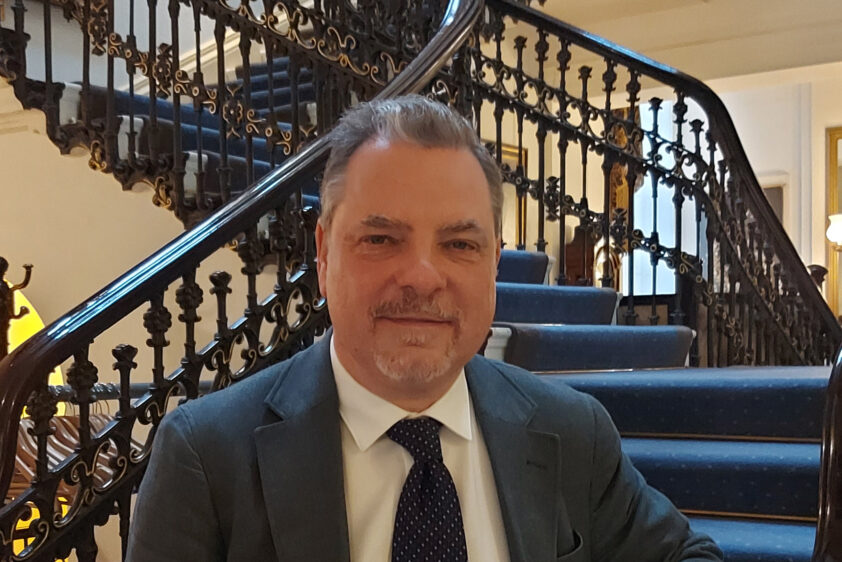
Simon Mabey, Founder of Digital Urban
“If we borrow the mechanics that make games engaging like interaction, feedback and social connection, we can transform how people experience planning and make participation something people want to return to, not avoid.“
There are 3.32 billion gamers in the world today. Gaming now spans every age and demographic, firmly embedded in mainstream culture. Its success holds valuable lessons for planners.
At the same time, the planning profession is searching for new ways to engage communities, foster meaningful input and adapt to digital-first models of participation. Getting people involved through formats they already know and associate with fun is a powerful starting point.
The psychology of games revolves around fun, flow and reward. By contrast, planning activities such as consultation, engagement and scenario testing can often feel technical and inaccessible. If we borrow the mechanics that make games engaging like interaction, feedback and social connection, we can transform how people experience planning and make participation something people want to return to, not avoid.
Here are 5 key learnings that planners can take from the gaming world and apply to their day to day work:
1. Use narrative and world building to drive understanding
Games don’t just drop you into a blank world: they give context, story, characters, motivations. The same should be true for planning. Rather than using 2D mockups, planning should frame proposals within compelling and accessible narratives: why this place matters, how it has evolved, what the future might feel like. This approach helps people understand change as part of a story rather than a sudden disruption.
Building a narrative also makes reasons for change easier to understand. Data points are a great start, but on their own may not get people to grasp the context and results of your proposed changes. Building a storyline doesn’t replace this evidence, but should frame it. It helps anchor the technical with emotional relevance, and helps people see the bigger picture.
2. Learning interactively makes people more likely to retain information
Games embed complex systems into play, teaching through doing rather than telling. The same approach can make planning more accessible. When people can test ideas and see instant results, they understand complex relationships more intuitively.
Research shows that active engagement, problem-solving and immediate feedback significantly improve information retention. Interactive planning tools that use real-time visual responses or gamified challenges can help participants grasp and remember planning concepts far better than static exhibitions or surveys, turning learning about a place into something people actually enjoy.
3. Multi-player environments trigger empathy and understanding
In multiplayer games, players bond with strangers, form teams and exchange resources to achieve shared goals. That same peer-to-peer dynamic is largely missing from planning engagement, yet it can be transformative. Collaborative environments help build trust and allow participants to see issues from multiple perspectives, fostering empathy rather than competition. Digital engagement tools can replicate this by introducing shared sessions, live polling, comment layers and map-based group tasks, enabling residents to interact not just with planners, but with each other, and to co-create a collective vision of a place.
4. Feedback loops build trust and momentum
Games keep players engaged through constant feedback – actions trigger a visible response, whether that’s scoring points or changing the world around them. Planning engagement often lacks this sense of responsiveness. People give their time and ideas, but rarely see what happens next.
By building feedback loops into digital engagement tools, you can make participation feel meaningful. Simple mechanisms like showing how comments influence priorities, visualising evolving proposals, or publishing updates in real time can create a stronger sense of transparency and trust. Just as games reward players for returning, responsive engagement encourages communities to stay involved, turning participation into an ongoing relationship rather than a one-off event.
5. Young people’s voices need to be part of the conversation
Young people experience places differently. Through school routes, social spaces, and digital networks, they often bring perspectives that often go unheard in traditional planning processes. They also communicate in different ways, favouring visual, interactive and social formats over formal consultation documents. If planning is to reflect the future users of our towns and cities, their voices need to be part of the conversation from the start.
Digital engagement inspired by gaming and social media can help make this possible, creating spaces where ideas flow from the ground up rather than top down. By meeting young people where they already are, planners can tap into a generation that is both highly connected and deeply invested in the places they live.
Conclusion: build together
The gaming world has mastered how to attract, teach, and retain players through interaction, storytelling and feedback. If planners adopt even a fraction of that thinking, engagement can become more inclusive, intuitive and rewarding. By making participation enjoyable and meaningful, we can move from one-off consultations to lasting collaboration, creating places shaped not just for people, but with them.
About the author:
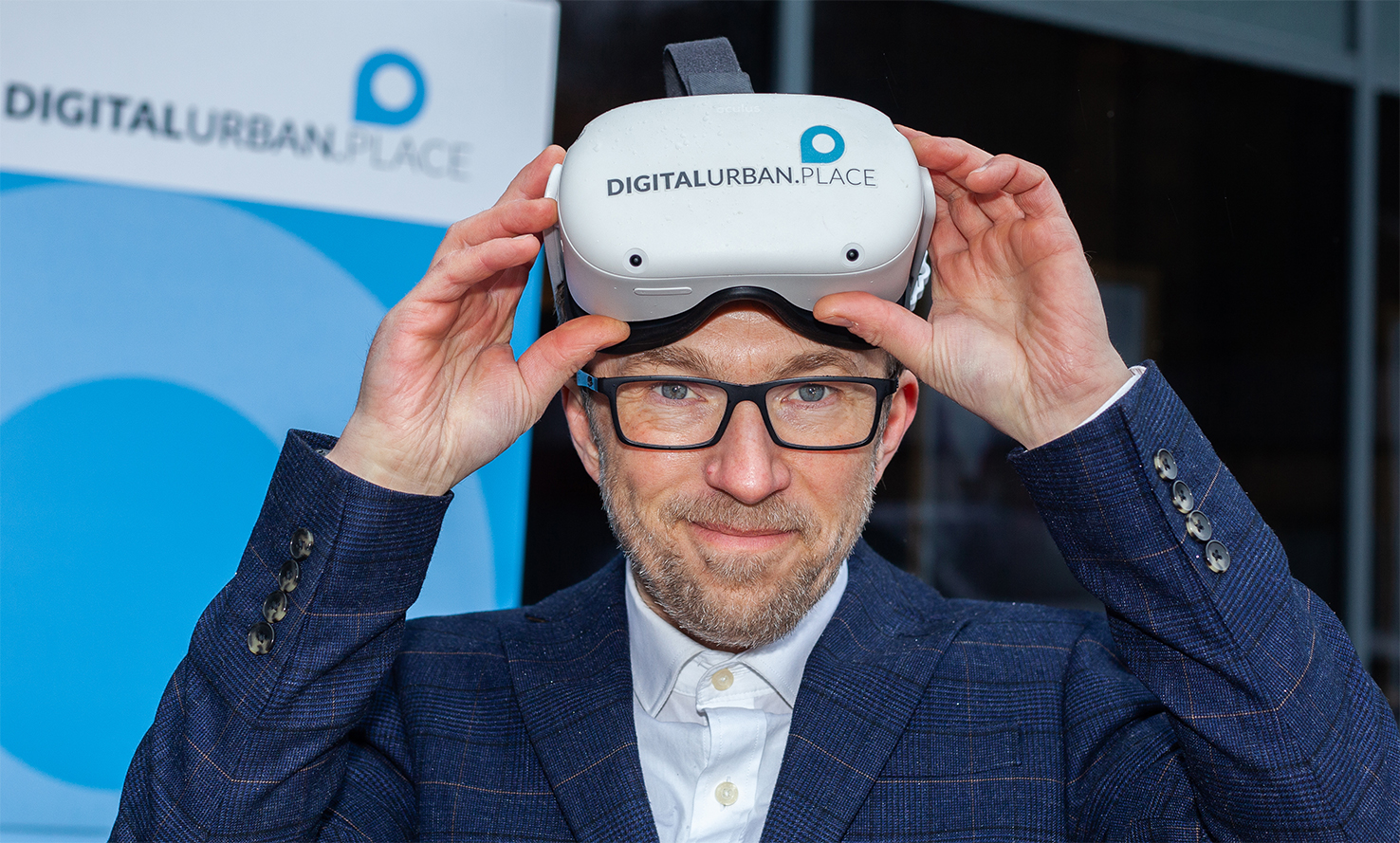
Simon Mabey is the Founder of Digital Urban, where he’s passionate about using digital technology to help people understand, explore and shape the places they live. Drawing on over 30 years of experience in digital modelling, he has engaged thousands of people at events across the country through his work with local authorities and private companies.
Views expressed here are personal.